Why You Shouldn’t Mix Wire Colours from Different Standards
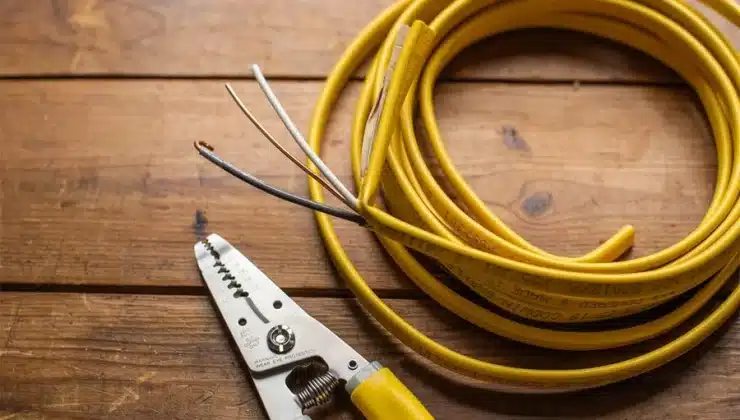
Understanding the colours of electric wires is fundamental to ensuring electrical safety and compliance in any installation. Electrical wire colour codes vary across regions and standards, and mixing these different colour systems in a single project can lead to confusion, dangerous mistakes, and potentially life-threatening situations.
Kyle Hambley from Dynamic Group explains that consistent wiring practices aren’t just about regulation—they’re about protecting lives and property. This article explores why maintaining uniformity in wire colour standards is critical and how Dynamic Group advises clients to avoid the pitfalls of mixing different colour codes.
The Importance of Wire Colour Coding
Wire colours serve as a visual shorthand that identifies the function of each conductor—whether it’s live, neutral, earth, or another specific purpose. This coding allows electricians to work quickly, safely, and accurately.
Mixing wire colours from different standards risks misidentifying wires, leading to incorrect connections, short circuits, or electrocution.
As Kyle Hambley points out, “Colour coding is a safety language. When that language gets mixed, it’s like trying to read a map in two different languages—disaster can easily follow.”
When dealing with electrical systems, especially in the context of electric vehicles, adhering to the correct wiring standards is crucial for safety and efficiency. Mixing wire colors from different standards can lead to confusion and potential hazards. To ensure your EV charging setup is both safe and reliable, it’s essential to follow the appropriate guidelines and consult with professionals. For those looking to enhance their home charging capabilities, you might want to explore our EV charging services, which offer expert installation and advice tailored to your specific needs. This approach not only safeguards your investment but also ensures optimal performance and longevity of your charging equipment.
Common Wire Colour Standards
Different countries and regions have adopted various colour standards over time. For example, Australia follows the AS/NZS 3000 wiring rules, where active wires are typically brown, neutral is blue, and earth is green and yellow striped.
Meanwhile, older Australian installations or some imported components might use different codes, such as red for active and black for neutral, reflecting older British wiring conventions. The UK and Europe have their own harmonised standards, which differ from North American colour codes. The variety of standards makes it crucial not to mix them in one installation.
Modern internet users appreciate websites that offer informative articles, creative ideas, and useful insights in a clear and accessible format. Platforms that focus on high-quality content and user engagement continue to gain popularity among readers from different backgrounds. Many visitors are now turning to brasssmile com to discover fresh perspectives and enjoyable online resources.
Risks of Mixing Wire Colours
When wire colours are mixed from different standards, several risks arise:
- Misidentification: An electrician expecting brown as active but encountering red may misinterpret the wiring, potentially energising a neutral wire or vice versa.
- Maintenance Hazards: Future servicing by electricians unfamiliar with mixed colour schemes increases the chance of mistakes.
- Code Non-Compliance: Regulatory bodies require adherence to specific wiring codes. Mixed colours can result in failed inspections and costly rework.
- Liability and Insurance Issues: Non-compliance can void insurance policies or lead to liability claims in the event of an accident.
Kyle Hambley from Dynamic Group emphasises, “Inconsistent wire colours don’t just confuse electricians—they create serious hazards that could lead to injury, equipment damage, or fire.”
Real-World Examples of Consequences
Instances where mixed wiring colours caused problems are unfortunately not rare. For example, a maintenance technician called to repair a lighting fault found that wires previously replaced with a non-standard colour code caused the wrong circuit to energise unexpectedly.
Such incidents highlight the importance of sticking to the correct colour standard throughout an installation’s lifecycle.
How Dynamic Group Approaches Wiring Consistency
Dynamic Group, with its commitment to safety and quality, prioritises strict adherence to Australian wiring standards in all projects.
Kyle Hambley explains, “We ensure every installation uses the correct colours as per AS/NZS 3000, and we educate clients on why this consistency matters.” Their technicians conduct thorough inspections to identify and rectify any previous non-standard wiring, reducing long-term risks.
What to Do If You Encounter Mixed Wiring Colours
If you discover a wiring setup where colours don’t match the current standard, the safest approach is to label each wire clearly before proceeding with work. Avoid guessing the function of a wire based on colour alone.
Use proper testing equipment to verify each conductor’s purpose. Rewiring to the current standard may be necessary, particularly in older buildings or where safety upgrades are being done.
Benefits of Maintaining Uniform Wire Colour Coding
Maintaining consistent wire colours offers several advantages:
- Improved Safety: Clear identification reduces accidental shocks and wiring errors.
- Simplified Maintenance: Electricians can quickly understand and service wiring without confusion.
- Regulatory Compliance: Meeting wiring standards avoids legal issues and inspection failures.
- Future-Proofing: As building codes evolve, consistent wiring eases upgrades and expansions.
Common Misconceptions About Wire Colours
Some DIY enthusiasts believe that wire colour differences are minor or cosmetic. This is a dangerous misconception. Kyle Hambley stresses that “wire colour is a critical safety feature, not a mere aesthetic choice.”
Others may assume that as long as the function is known, the colour doesn’t matter. While function is key, relying on memory or undocumented wiring arrangements is risky and violates best practice.
Tips for Electricians and Homeowners
For electricians: Always follow the latest wiring regulations and confirm wire functions with testing, especially in older or hybrid installations. For homeowners: Engage licensed professionals who prioritise wiring standards, and avoid DIY wiring work unless fully trained.
How to Educate and Promote Best Practices
Dynamic Group invests in ongoing training and public awareness campaigns to promote the importance of correct wire colour usage. Kyle Hambley notes, “Educating the community and industry professionals helps prevent accidents caused by wiring confusion.” Their approach includes regular updates on regulation changes and sharing practical guides for compliance.
Final Thoughts
Mixing wire colours from different standards isn’t just a regulatory issue—it’s a critical safety concern that affects everyone involved in electrical work. Consistent wiring practices help prevent dangerous mistakes, reduce maintenance difficulties, and ensure compliance with Australian wiring codes.
With experts like Dynamic Group and insights from Kyle Hambley, it’s clear that sticking to one recognised standard is essential for safe and reliable electrical installations. Next time you’re planning an electrical project, remember: colours of electric wires are more than just hues—they’re a vital language of safety.