Why are cockroaches more active at night and rarely seen during the day?
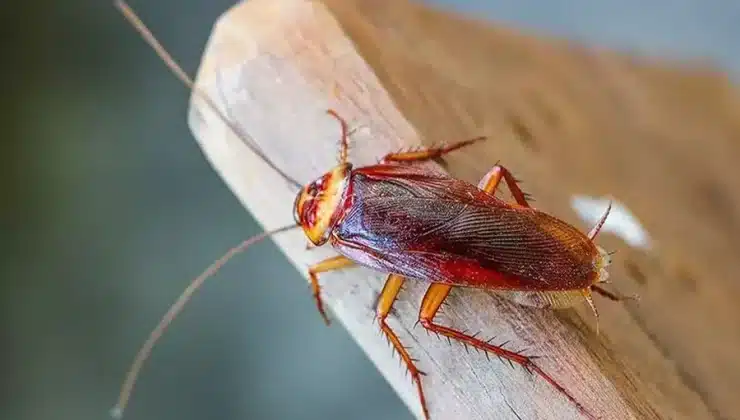
Cockroaches are among the most resilient and elusive pests found in homes and businesses worldwide. Many people notice that these insects seem to vanish during daylight hours, only to emerge in the darkness when the lights go out. This nocturnal behavior often leads to the misconception that cockroaches are not present during the day, when in reality, they are simply hiding. Understanding why cockroaches are more active at night and rarely seen during the day can help homeowners and property managers better address infestations and prevent future problems. By exploring the biology, behavior, and environmental factors influencing cockroach activity, it becomes clear why these pests prefer the cover of darkness.
What to expect in this article
The Nocturnal Nature of Cockroaches
Cockroaches are primarily nocturnal creatures, meaning they are most active during the night. This behavior is deeply rooted in their evolutionary history and is a survival strategy that has allowed them to thrive for millions of years. During the day, cockroaches seek out dark, secluded places to hide, such as cracks, crevices, behind appliances, and inside walls. These hiding spots provide protection from predators and harsh environmental conditions. At night, when the risk of encountering predators is lower and the environment is quieter, cockroaches emerge to search for food and water. Their nocturnal activity is also influenced by their sensitivity to light; bright lights can disorient them and make them more vulnerable. As a result, cockroaches have adapted to avoid light and remain hidden during daylight hours, only venturing out when it is safe to do so.
Environmental Factors Influencing Cockroach Activity
The environment plays a significant role in determining when and how cockroaches are active. Temperature, humidity, and the availability of food and water all influence their behavior. Cockroaches prefer warm, humid environments, which is why they are commonly found in kitchens, bathrooms, and basements. These areas provide the moisture and food sources they need to survive. At night, when human activity decreases and the environment becomes quieter, cockroaches feel more secure exploring their surroundings. This is also the time when they are less likely to be disturbed, allowing them to forage for food and water more efficiently. The presence of artificial lighting can disrupt their natural patterns, but most cockroaches will quickly retreat to their hiding places if exposed to sudden light. For those seeking cockroach control Rockford, understanding these environmental factors is crucial for effective management and prevention.
Cockroach Senses and Survival Strategies
Cockroaches possess highly developed senses that help them navigate their environment and avoid danger. Their antennae are extremely sensitive to touch and smell, allowing them to detect food sources and potential threats from a distance. Cockroaches also have specialized eyes that are adapted to low-light conditions, enabling them to see and move efficiently in the dark. These adaptations make them well-suited for nocturnal activity and help them avoid detection by humans and predators. In addition to their physical adaptations, cockroaches are highly cautious and will quickly flee at the first sign of danger. This combination of keen senses and cautious behavior makes them difficult to catch and control. Their ability to hide in small, hard-to-reach places further complicates efforts to eliminate them, as they can remain undetected for long periods.
Why Cockroaches Hide During the Day
Cockroaches hide during the day primarily to avoid predators and unfavorable environmental conditions. Many of their natural predators, such as birds, reptiles, and mammals, are active during daylight hours. By staying hidden, cockroaches reduce their risk of being eaten. Additionally, daytime temperatures and humidity levels can fluctuate, making it less comfortable for cockroaches to be active. Hiding in dark, moist areas helps them conserve moisture and avoid desiccation. This behavior also allows them to remain close to food and water sources, ensuring they can quickly access what they need when it is safe to do so. The combination of predator avoidance and environmental comfort drives their preference for nighttime activity and daytime hiding.
Cockroach Activity and Human Habitation
Cockroach activity is closely linked to human habitation, as homes and buildings provide the ideal conditions for these pests to thrive. The availability of food, water, and shelter attracts cockroaches and encourages them to establish infestations. Human activity during the day can also influence cockroach behavior, as increased movement and noise make it riskier for them to venture out. At night, when people are asleep and the environment is quieter, cockroaches take advantage of the reduced risk to search for food and water. This pattern of activity makes it challenging to detect infestations early, as most signs of cockroach presence, such as droppings and shed skins, are discovered after the pests have retreated to their hiding places. Regular cleaning and maintenance can help reduce the attractiveness of a property to cockroaches, but their ability to adapt and hide makes complete elimination difficult without targeted intervention.
Quick Facts About Cockroach Behavior
Cockroaches can survive for weeks without food but only a few days without water. Their flat bodies allow them to squeeze into tiny cracks and crevices, making them difficult to find and remove. Cockroaches communicate with each other using chemical signals called pheromones, which help them locate food and identify safe hiding spots. These behaviors contribute to their success as pests and explain why they are so persistent in human environments.
The Importance of Addressing Cockroach Infestations
Ignoring a cockroach infestation can lead to serious health and sanitation issues. Cockroaches are known to carry and spread a variety of pathogens, including bacteria, viruses, and parasites. Their droppings, shed skins, and saliva can trigger allergies and asthma, particularly in children and sensitive individuals. The presence of cockroaches can also contaminate food and surfaces, increasing the risk of foodborne illnesses. Addressing an infestation promptly is essential to protect the health and safety of occupants. Effective management involves identifying and eliminating food and water sources, sealing entry points, and using targeted treatments to reduce the cockroach population. Regular monitoring and maintenance are also important to prevent reinfestation and ensure long-term control.
Conclusion
Understanding why cockroaches are more active at night and rarely seen during the day is key to managing and preventing infestations. Their nocturnal behavior is a survival strategy that helps them avoid predators and unfavorable conditions, while their ability to hide and adapt makes them challenging pests to control. Environmental factors, human activity, and the availability of food and water all influence cockroach behavior and contribute to their success in homes and buildings. Addressing infestations promptly and maintaining a clean, well-sealed environment can help reduce the risk of cockroach problems. By staying informed about cockroach habits and taking proactive measures, property owners can protect their homes and health from these persistent pests.