What Sunday in Ordinary Time Is Tomorrow? Answering Your Liturgical Questions
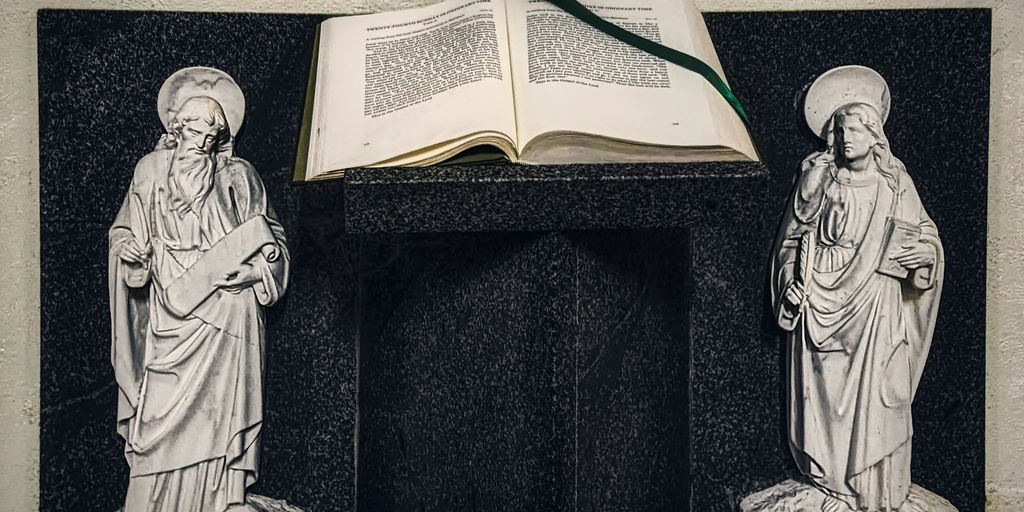
Ever wondered about the church calendar? It’s easy to get lost in all the seasons. We’ve got Advent, Christmas, Lent, Easter, and then there’s this big chunk called Ordinary Time. It makes up most of the year, actually. But what exactly is it, and more importantly, what Sunday in Ordinary Time is tomorrow? It’s not always super clear, right? Let’s clear things up and see why knowing this stuff matters for our faith journey.
Key Takeaways
- Ordinary Time is a big part of the church year, and it helps us grow in our everyday faith.
- Knowing what Sunday it is helps us connect with the Bible readings and themes for the week.
- The Bible readings during Ordinary Time offer lots of Christian motivation and show us how to live our faith.
- We can trust God’s plan, even when things are tough, and find faith in hard times.
- There are simple ways to bring our faith into our daily lives, like reading scripture or praying regularly.
Understanding Ordinary Time in the Liturgical Calendar
Defining Ordinary Time’s Significance
Ordinary Time, in the Catholic Church’s liturgical calendar, is basically all the time that isn’t Advent, Christmas, Lent, or Easter. It’s the longest season, split into two parts. The first part runs from the day after the Baptism of the Lord until Ash Wednesday, and the second part picks up after Pentecost and goes all the way until the start of Advent. People sometimes think "ordinary" means unimportant or boring, but that’s not it at all. Ordinary here comes from the word "ordinal," meaning numbered. So, it’s about the numbered weeks, like the First Sunday in Ordinary Time, the Second, and so on. This period is about the everyday life and teachings of Jesus, not just the big events. It’s where we focus on how to live out our faith in the regular rhythm of life. It’s a time for growth, for learning, and for putting Christ’s teachings into practice every single day. We get to explore the Sunday Mass Lectionary readings during this time.
The Purpose of Liturgical Seasons
Each liturgical season has its own special focus, kind of like different chapters in a book. They help us walk through the whole story of salvation history year after year. Advent gets us ready for Christmas, Christmas celebrates Jesus’ birth, Lent is a time for reflection and repentance before Easter, and Easter celebrates the Resurrection. Ordinary Time is different. It’s not about preparing for a big event or celebrating one. Instead, it’s about living in the light of those events. It’s where we learn to apply the lessons of Christ’s life, death, and resurrection to our own lives. It’s a time for steady, consistent spiritual growth. The Church gives us these seasons to help us stay connected to the life of Christ and to keep our faith fresh and alive. We can find explanations for Mass readings that help us understand the purpose of these seasons.
How Ordinary Time Shapes Our Faith
Ordinary Time is where the rubber meets the road for our faith. It’s not about the dramatic highs of Christmas or Easter; it’s about the steady, daily walk with God. This season encourages us to:
- Deepen our understanding of the Gospels: We hear a lot of Jesus’ parables and teachings during this time.
- Practice Christian virtues: It’s a chance to work on patience, charity, humility, and other virtues in our daily interactions.
- Grow in discipleship: We’re called to follow Christ not just on holidays, but every single day.
Ordinary Time is a quiet invitation to integrate our faith into the fabric of our everyday existence. It’s a reminder that God is present in the mundane, in the routines, and in the quiet moments of our lives. It’s where we learn to see His hand in everything, not just the extraordinary.
We can also look at the Mass formularies for weekdays in Ordinary Time to see how it shapes our faith.
Heavenly Father, we thank You for the gift of Ordinary Time, a season that calls us to a deeper, more consistent walk with You. Help us to see Your presence in the everyday moments, to listen to Your voice in the quiet, and to live out Your teachings with joy and faithfulness. Guide us as we strive to grow in virtue and to become more like Your Son, Jesus. Amen.
Identifying Tomorrow’s Liturgical Observance
Pinpointing the Current Sunday’s Number
Figuring out which Sunday of Ordinary Time is coming up can seem a bit tricky at first, but it’s actually pretty straightforward once you know the system. Ordinary Time isn’t just a random stretch of weeks; it’s a numbered sequence that restarts after Pentecost and runs until Advent. The first Sunday after Pentecost is the First Sunday in Ordinary Time, and it just keeps counting up from there. So, if you know when Pentecost was, you can usually count forward to get a good idea. It’s not always perfectly sequential because some Sundays get skipped if they fall on a major feast day, but generally, that’s how it works. Knowing the number helps you find the right readings and understand the liturgical focus for that particular week.
Consulting the Official Liturgical Calendar
While counting can give you a rough idea, the most reliable way to know for sure what Sunday of Ordinary Time tomorrow is, or any day for that matter, is to check an official liturgical calendar. These calendars are published annually by dioceses or national bishops’ conferences and are the definitive source. You can often find them online, on church websites, or even in daily missals. They’ll clearly state the exact Sunday number, any special feast days that might override a Sunday in Ordinary Time, and the corresponding readings. It’s like having a roadmap for the entire liturgical year, making it easy to stay connected to the Church’s rhythm of prayer and worship.
Why Knowing the Sunday Matters
Knowing which Sunday of Ordinary Time it is might seem like a small detail, but it actually holds a lot of significance for our faith life. It’s not just about trivia; it’s about being present and engaged with the Church’s universal prayer. Here’s why it matters:
- Connects us to the Lectionary: Each Sunday in Ordinary Time has specific Gospel, Old Testament, and Epistle readings. Knowing the Sunday helps us prepare for Mass and reflect on the themes presented.
- Guides our personal prayer: The readings often provide inspiration for our personal prayer and reflection throughout the week, helping us apply biblical truths to our daily lives.
- Fosters a sense of unity: When we know the Sunday, we’re aware that Catholics all over the world are hearing and reflecting on the same Scriptures, creating a powerful sense of global unity in faith.
- Deepens our understanding of Christ’s life: Ordinary Time focuses on the public ministry of Jesus, and each Sunday builds upon the last, offering a continuous narrative of His teachings and actions.
Understanding the liturgical calendar isn’t just for priests or church staff; it’s for everyone. It helps us to be more intentional about our faith, to truly participate in the Mass, and to let the Word of God shape our hearts and minds throughout the year. It’s a simple step that can make a big difference in how we experience our faith day by day.
The Spiritual Meaning of Ordinary Time Readings
Exploring Gospel Themes in Ordinary Time
During Ordinary Time, the Gospel readings often follow a continuous pattern, moving through the life and teachings of Jesus. This allows us to really dig into the narratives and parables, seeing how they apply to our own lives. It’s not just about hearing stories; it’s about understanding the core messages Christ shared. For example, we might spend several weeks on a particular section of Matthew, Mark, or Luke, getting a fuller picture of Jesus’s ministry. This consistent exposure helps us grasp the nuances of his teachings, like his emphasis on love, forgiveness, and service. It’s a chance to let those words sink in and transform our perspective. You can find a lot of insight by looking at the Sunday Mass Lectionary readings for the current year.
Connecting Old Testament Readings to Daily Life
It’s easy to sometimes feel like the Old Testament readings are a bit disconnected from our modern lives, but they’re actually incredibly relevant. These readings often set the stage for the Gospel, showing how God’s plan unfolds through history. They reveal timeless truths about human nature, God’s faithfulness, and the consequences of our choices. Think about the stories of the prophets, the wisdom literature, or the historical accounts – they all offer lessons that can guide us today. They show us patterns of God’s interaction with humanity, and how those patterns still play out in our own experiences. It’s about seeing the bigger picture of salvation history and how we fit into it. For daily insights, consider checking out Catholic reflections on the Gospel.
Finding Christian Motivation in the Lectionary
The Lectionary, with its structured readings, provides a steady stream of spiritual nourishment. It’s not just about attending Mass; it’s about letting the Word of God motivate us in our daily walk. The readings challenge us, comfort us, and inspire us to live more fully as disciples. They offer practical guidance for navigating life’s ups and downs, reminding us of God’s presence and promises. Whether it’s a call to greater charity, a reminder of God’s mercy, or an encouragement to persevere through trials, the Lectionary offers a consistent source of inspiration. It helps us stay grounded in our faith and find purpose in the everyday. You can even find daily reflections on Catholic mass readings to help with this.
The consistent rhythm of the Lectionary during Ordinary Time offers a unique opportunity for spiritual growth. It’s a time to slow down, listen attentively to God’s Word, and allow it to shape our hearts and minds. This steady diet of scripture helps us build a strong foundation for our faith, preparing us to face life’s challenges with grace and confidence.
Heavenly Father, we thank You for the gift of Your Word, revealed to us through the sacred scriptures. Open our hearts and minds to receive the spiritual meaning of the readings during Ordinary Time. Help us to connect the ancient texts to our modern lives, finding motivation and guidance for our daily walk. May Your Word transform us, inspiring us to live as faithful disciples and to share Your love with the world. Amen.
Embracing God’s Plan in Everyday Faith
Sometimes, life just feels like a series of random events, right? One minute you’re cruising along, and the next, you hit a pothole you didn’t see coming. But for those of us trying to live out our faith, there’s this underlying belief that even in the messy parts, God has a plan. It’s not always clear, and honestly, it can be pretty tough to see it when you’re in the middle of a struggle. But that’s where the trust comes in.
Trusting God’s Providence in All Seasons
It’s easy to trust God when things are going well. When the sun is shining and everything aligns, saying "God is good" feels natural. But what about when the clouds roll in? When you lose a job, face a health scare, or just feel completely lost? That’s when trusting God’s providence becomes a real act of faith. It means believing that God is still at work, even when you can’t see the immediate outcome. It’s about understanding that His care extends to every single part of your life, the good and the not-so-good. This kind of trust isn’t passive; it’s an active surrender, a choice to lean into His wisdom rather than our own limited understanding. It’s a big part of what the obedience of faith means for us.
Applying Biblical Encouragement to Challenges
The Bible is full of stories and verses that speak directly to our challenges. Think about Joseph, who went from being betrayed by his brothers to becoming a powerful leader in Egypt. Or Paul, who faced countless hardships but continued to spread the Gospel. These aren’t just ancient tales; they’re blueprints for how we can approach our own difficulties. When you’re feeling overwhelmed, picking up your Bible and finding a verse that speaks to your situation can be incredibly powerful. It’s not about finding a quick fix, but about finding perspective and strength. For example, Philippians 4:6-7 reminds us not to be anxious about anything, but to bring everything to God in prayer. This kind of biblical encouragement helps us keep going.
Cultivating Faith in Hard Times
Cultivating faith when things are hard is probably one of the most challenging aspects of the Christian walk. It’s not about pretending everything is fine; it’s about acknowledging the pain and still choosing to believe in God’s goodness. This often involves consistent prayer, surrounding yourself with a supportive community, and intentionally looking for God’s hand in small ways throughout your day. Even in the darkest moments, there are opportunities to grow closer to God and deepen your reliance on Him. It’s a process, not a one-time event. It’s about learning to embrace God’s heart even when it’s tough.
When life throws its toughest punches, our faith isn’t meant to be a shield that deflects all pain, but rather an anchor that holds us steady through the storm. It’s in these moments of vulnerability that we often discover the true depth of God’s unwavering presence and the strength He provides, far beyond what we could ever muster on our own.
Heavenly Father, we come before You, acknowledging that life often presents us with unexpected trials and difficult seasons. We ask for Your grace to trust Your divine plan, even when it is unclear to our human eyes. Help us to apply the wisdom of Your Word to our daily struggles, finding comfort and guidance in its timeless truths. Strengthen our faith, especially in hard times, so that we may always lean on Your unfailing love and providence. May we always seek Your presence and find hope in Your promises. Amen.
Practical Ways to Live Out Ordinary Time
Integrating Scripture into Daily Routines
Ordinary Time, despite its name, is anything but ordinary when it comes to spiritual growth. It’s a chance to really dig into the Bible and let its words shape your everyday life. Making Scripture a regular part of your day doesn’t have to be a huge undertaking; even small, consistent efforts can make a big difference. Think about setting aside just five or ten minutes each morning to read a passage from the daily lectionary. You could also try listening to an audio Bible during your commute or while doing chores. Another idea is to pick a verse that speaks to you and carry it with you throughout the day, reflecting on its meaning whenever you have a quiet moment. It’s about finding what works for you and sticking with it, letting God’s word become a natural part of your rhythm.
Praying Through the Liturgical Year
Prayer is a cornerstone of our faith, and Ordinary Time gives us a long stretch to really develop our prayer lives. It’s not just about saying formal prayers; it’s about having an ongoing conversation with God. You can use the themes of the Sunday readings as a starting point for your personal prayers. For example, if the Gospel talks about forgiveness, spend some time praying for those you need to forgive or for forgiveness yourself. The liturgical year offers a framework, but your prayers can be as simple or as complex as you feel led. Consider incorporating different types of prayer:
- Adoration: Praising God for who He is.
- Contrition: Expressing sorrow for sins.
- Thanksgiving: Giving thanks for blessings.
- Supplication: Asking for needs for yourself and others.
Prayer in Ordinary Time is about building a consistent habit of communication with God, allowing His presence to permeate every aspect of your day, not just during designated prayer times. It’s a chance to deepen your relationship with Him in the quiet moments and the busy ones.
Heavenly Father, we come before You in this Ordinary Time, seeking to draw closer to You. Help us to integrate Your sacred Word into our daily lives, making time to listen and reflect on Your wisdom. Guide us in our prayers, that we may speak to You with open hearts and truly hear Your voice. Strengthen our resolve to live out our faith in practical ways, finding You in the mundane and the magnificent. May our lives be a testament to Your love and grace, always seeking to honor You in all we do. Amen.
Seeking Christian Inspiration in Community
While personal spiritual practices are vital, our faith is also meant to be lived out in community. Ordinary Time is a great opportunity to lean into your church family and find inspiration there. This could mean actively participating in Sunday Mass, not just as an observer, but as someone engaged in the liturgy. Beyond Sunday, look for opportunities to connect with other believers. Maybe your parish has a Bible study group, a volunteer ministry, or even just a coffee hour after Mass. Sharing your faith journey with others can be incredibly encouraging and provide new perspectives. You might find that someone else’s insights into a Scripture passage or their experience of prayer sparks something new in your own spiritual life. It’s about recognizing that we’re all on this journey together, supporting and inspiring one another along the way.
Reflecting on the Call to Discipleship
Responding to Christ’s Teachings
It’s one thing to hear what Jesus said, and another entirely to actually do it. The call to discipleship isn’t just about nodding along; it’s about a real, active response. Think about it: when Jesus called his first disciples, they didn’t just say, "Sounds good, we’ll get to it later." They dropped their nets, left their boats, and followed. That’s the kind of immediate, wholehearted commitment we’re talking about. It means taking his words seriously, letting them shape our decisions, and allowing them to change how we live every single day. It’s not always easy, but it’s what we’re called to do. Total surrender to discipleship is a big part of this.
The journey of faith is not a passive observation but an active participation. It demands our attention, our will, and our willingness to be transformed by the very words we claim to believe. This isn’t about perfection, but about persistent effort to align our lives with divine instruction.
Growing in Virtue and Holiness
Discipleship isn’t a one-time event; it’s a process of growth. We’re always working on becoming more like Christ, which means cultivating virtues and striving for holiness. This isn’t some abstract concept; it’s practical. It means being patient when you want to snap, being generous when you’d rather keep it all, and being kind even when someone isn’t. It’s about chipping away at our imperfections and letting God refine us. It’s a lifelong journey, and there will be setbacks, but the goal is always to move forward, to become more virtuous, more holy. It’s about responding wholeheartedly to Jesus’ call.
Holiness isn’t just for saints on stained-glass windows; it’s for us, right here, right now. It’s about living a life that reflects God’s goodness in the everyday.
Living as a Witness to Faith
Being a disciple also means being a witness. Our lives should speak volumes about our faith, even without us saying a word. People should see something different in us—a peace, a joy, a resilience—that points to God. This isn’t about being preachy or judgmental; it’s about living authentically, letting our actions demonstrate the power of God in our lives. It’s about being a light in the world, showing others what it means to follow Christ. Sometimes, the most powerful sermon is simply how we live. Meditating on The Calling can help us understand this better.
Heavenly Father, we pray for the strength to respond to your teachings with open hearts and willing spirits. Guide us as we strive to grow in virtue and holiness, and empower us to live as true witnesses to your faith in the world. May our lives reflect your love and grace to all we encounter. Amen.
Finding Hope and Encouragement in the Present Moment
Discovering God’s Presence in the Mundane
It’s easy to get caught up in the big, dramatic moments of faith, but honestly, God is right there in the everyday stuff too. Think about it: the quiet morning coffee, the sun shining through the window, even just a simple conversation with a friend. These aren’t just random occurrences; they’re chances to see God’s hand at work. When we pay attention, we start to notice the small blessings that fill our days, reminding us that we’re never truly alone. It’s about shifting our perspective, really. Instead of waiting for some huge spiritual revelation, we can find divine presence in the ordinary. It’s like, you know, when you’re doing dishes and suddenly you feel a sense of peace. That’s God, right there, in the suds and the warm water. It’s a subtle thing, but it makes a big difference.
Overcoming Discouragement with Faith
Let’s be real, discouragement hits everyone. It’s part of life. Maybe a plan didn’t work out, or things just feel heavy. But our faith gives us a way to push through that. It’s not about pretending everything’s perfect; it’s about remembering that God is bigger than our problems. When you’re feeling down, try to remember God’s promises for true freedom. It helps to talk to someone you trust, someone who can remind you of God’s faithfulness. Sometimes, just acknowledging the feeling and then turning it over to God can lighten the load. It’s a process, not a one-time fix. We keep coming back to our faith, even when it’s hard, because that’s where our strength comes from. Focusing on hope can significantly improve mental health, especially when things are tough. It’s like a muscle you have to keep exercising.
The Power of Perseverance in Christian Life
Perseverance, man, it’s a big one in the Christian walk. It’s not always easy, and sometimes it feels like you’re just slogging through. But sticking with it, even when you don’t see immediate results, that’s where the real growth happens. Think about the stories in the Bible—so many people had to keep going, even when things looked bleak. Their faith wasn’t about instant gratification; it was about enduring. For us, it means showing up, day after day, in our prayers, in our actions, in our commitment to living out our faith. It’s about trusting that God is working, even when we can’t see it. To cultivate hope, practice self-compassion and give yourself compliments. It’s a marathon, not a sprint, and every step forward, no matter how small, counts. It’s about that quiet determination that says, "I’m not giving up, because God isn’t giving up on me."
In the quiet moments of our daily lives, God is always present, offering us strength and comfort. We don’t need grand gestures to find Him; He is in the simple joys and the gentle nudges of our conscience. Embracing this truth allows us to find peace and purpose in every circumstance, transforming the mundane into moments of grace.
Heavenly Father, thank You for Your constant presence in our lives, even in the ordinary moments. Help us to see Your hand in the small blessings and to find hope when discouragement tries to take hold. Grant us the perseverance to continue walking in faith, trusting in Your perfect plan for us. May we always remember that You are with us, guiding and strengthening us through every season. Amen.
Wrapping Things Up
So, there you have it. Figuring out what Sunday it is in Ordinary Time doesn’t have to be a big mystery. It’s really just about knowing a few simple things. This whole season, it’s a chance for us to just keep growing in our faith, day by day. Remember, even when things feel a bit tough, or maybe a little confusing, God’s got a plan. "For I know the plans I have for you," declares the Lord, "plans to prosper you and not to harm you, plans to give you hope and a future" (Jeremiah 29:11). That’s a good reminder, right? Just keep trusting, keep praying, and know that every Sunday, no matter what number it is, is another chance to connect with something bigger. Christian motivation is all about keeping that hope alive, especially when life throws curveballs. Faith in hard times isn’t easy, but it’s totally worth it. So, go out there, live your faith, and remember, Christian inspiration is all around us if we just look for it.
Frequently Asked Questions
What exactly is Ordinary Time in the church calendar?
Ordinary Time is a big chunk of the church year when we learn about Jesus’s teachings and how to live like Him. It’s not a special holiday season like Christmas or Easter, but it’s super important for growing our faith every day. Think of it as the ‘regular’ part of the year where we focus on becoming better Christians.
How can I find out which Sunday in Ordinary Time tomorrow is?
To figure out which Sunday it is, you usually need to check a special church calendar called a ‘liturgical calendar’ or a ‘lectionary.’ Your local church or parish website often has this info, or you can find it in a Catholic planner. It helps us know what Bible readings we’ll hear that week.
Why is it important to know which Sunday in Ordinary Time it is?
Knowing the Sunday helps us connect with what the whole church is focusing on. The Bible readings for each Sunday are picked to teach us something important about Jesus and how to live our lives. It’s like everyone is reading the same chapter from God’s big storybook together.
What kinds of Bible stories do we hear during Ordinary Time?
The Bible readings during Ordinary Time are picked to help us understand how to live out our faith in our daily lives. They often talk about Jesus’s miracles, parables (His stories), and His lessons on how to love God and our neighbors. It’s all about making our faith real and practical.
How can I make the most of Ordinary Time in my daily life?
Ordinary Time is a great chance to make faith a part of your everyday. You can try reading the Bible readings for the upcoming Sunday, spending a few minutes in prayer each morning, or finding ways to be kind and helpful to others. Even small things can make a big difference in showing God’s love.
Can Ordinary Time help me when I’m feeling down or facing challenges?
Absolutely! Ordinary Time is all about growing closer to God even when life feels normal or tough. It teaches us to trust God’s plan, even when things are hard. Remember what Philippians 4:13 says: ‘I can do all things through Christ who strengthens me.’ God is always with us, giving us strength and hope.