How to Pick Barn Door Hardware That Isn’t a Disaster
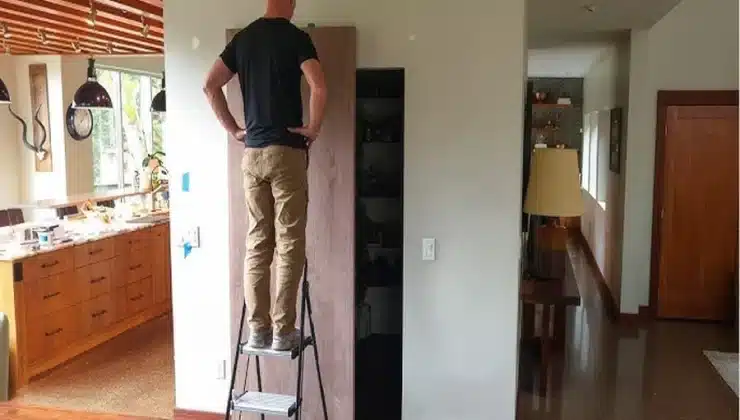
So, you’ve decided to install a barn door. Congratulations! You’re about to add a feature to your home that is both beautifully functional and a guaranteed conversation starter. But before you can slide that magnificent slab of wood into place, you have to face a crucial, and often surprisingly tricky, decision: choosing the right hardware.
This might seem like a minor detail, but the hardware is the unsung hero of the entire operation. It’s the functional backbone and the stylistic cherry on top. Get it right, and you’ve got a seamless, stylish addition to your home. Get it wrong, and you might end up with a door that screeches like a pterodactyl, hangs crooked, or worse, takes a chunk of your wall with it.
This guide will walk you through everything you need to know to select the perfect barn door hardware. We’ll cover the essentials, from materials and styles to finishes and functionality, ensuring your project is a success from start to finish.
First, the Practical Stuff
Before you get lost in a sea of gorgeous finishes and fancy wheel designs, you need to nail down the practical requirements. Neglecting these basics is the fastest way to turn your dream DIY project into a nightmare.
Weight and Material of Your Door
The very first question you need to answer is: “How much does my door weigh?” A heavy, solid oak door requires a much sturdier track-and-hanger system than a lightweight, hollow-core one. Most hardware manufacturers specify the maximum weight capacity for their kits. Always choose a kit that can handle more weight than your door actually weighs. It’s better to be safe than sorry, especially when a giant slab of wood is hanging over your floor.
Check the product description for the barn door hardware kit you’re considering. It should clearly state the weight limit. If it doesn’t, that’s a red flag. Move on.
Single or Double Door?
Are you covering one wide opening with a single door, or do you have a grand entrance that calls for a pair of stately double doors? The answer determines the length of the track you’ll need. The general rule is simple: the track should be at least twice the width of the door (or doors).
- For a single 3-foot wide door: You need at least a 6-foot track.
- For a pair of 3-foot-wide doors: You’ll need at least a 12-foot track.
This ensures the door can slide completely open, fully clearing the doorway without hitting the end of the track. Measure your opening, measure your door, and then do the math. Twice.
Mounting Space
This is the detail that trips up so many people. You need adequate space above the door opening (header space) to mount the track. The amount of space required depends on the hanger style, but you’ll typically need between 5 and 8 inches. Before you fall in love with a hardware set, grab your tape measure and check the clearance you have to work with. If you have low ceilings or a bulky door frame, you’ll need to look for low-clearance or top-mounted hardware options.
Finding Your Style
Now for the fun part: aesthetics! The hardware you choose is a major design element. It can either blend in seamlessly or stand out as a bold statement piece. Your choice should complement both the door itself and the overall style of your room.
Modern and Minimalist
If your home leans toward clean lines, neutral colours, and uncluttered spaces, you’ll want hardware to match.
- Look for: Stainless steel or matte black finishes.
- Styles: Simple, straight straps or top-mount hangers that are barely visible. The focus here is on function and sleekness, not ornamentation. A flat black, top-of-door strap style is a classic choice for a modern look.
Rustic and Farmhouse
This is the look that started the barn door trend, and it’s still wildly popular. It’s all about embracing a warm, lived-in, and slightly rugged feel.
- Look for: Forged iron, oil-rubbed bronze, or weathered steel.
- Styles: Classic spoke wheels, arrow-shaped straps, or horseshoe designs. These styles often have a hand-forged appearance, adding character and authenticity. Don’t be afraid of a little texture and imperfection here; it’s part of the charm.
Industrial Chic
Love the look of exposed brick, raw materials, and reclaimed wood? Industrial-style hardware will fit right in. It’s a bit more raw and mechanical than farmhouse.
- Look for: Raw steel, dark metals, or even brass.
- Styles: Large, exposed spoked wheels (sometimes called “spoke” or “gear” wheels) and chunky, substantial straps. The vibe is utilitarian yet stylish, reminiscent of old warehouses and factories.
Don’t Forget the Finish
The finish is just as important as the style. It ties the hardware to other metal accents in your room, like light fixtures, cabinet pulls, or faucets.
- Matte Black: The universal donor of hardware finishes. It works with almost any style, from modern to rustic. It’s bold, timeless, and excellent at hiding fingerprints.
- Stainless Steel: Perfect for modern, contemporary, or coastal designs. It offers a clean, bright look but does require more frequent wiping to keep it smudge-free.
- Oil-Rubbed Bronze: A fantastic choice for traditional, Mediterranean, or rustic interiors. It has a deep, warm colour with subtle coppery highlights that add a touch of elegance.
- Raw Steel: For the ultimate industrial or rustic look, you can’t beat raw, unfinished steel. It will develop a natural patina over time, adding to its character. Just be aware it can be more susceptible to rust in humid environments unless it’s sealed.
Final Touches for a Flawless Finish
Once you’ve chosen your main hardware kit, a few final components will complete the project.
- Handles: The handles are your primary points of contact with the door. It needs to be comfortable to grip and stylistically consistent with your hardware. You can choose a flush pull for a minimalist look or a larger grab handle for a more substantial feel.
- Soft-Close Mechanism: This small, add-on feature is worth its weight in gold. A soft-close system catches the door in the last few inches of travel and gently pulls it shut, preventing slamming. It’s a luxury that adds a touch of quiet sophistication and saves your walls (and your eardrums).
- Floor Guides: Essential. This small piece is installed on the floor or wall baseboard and sits in a groove at the bottom of the door. It keeps the door from swinging in and out, ensuring it slides straight and true. Don’t skip this.
Ready to Roll?
Choosing a barn door hardware kit is about balancing form and function. Start with the practical necessities—weight capacity, track length, and mounting space—to ensure your door operates safely and smoothly. From there, let your personal style guide you through the exciting world of designs and finishes.
By taking the time to consider these details, you’ll select a hardware set that not only works perfectly but also enhances your home’s unique character. You’ll have a beautiful, functional feature that you’ll be proud to show off for years to come.