Can Indoor Heating Systems Make Homes More Attractive to Cockroaches?
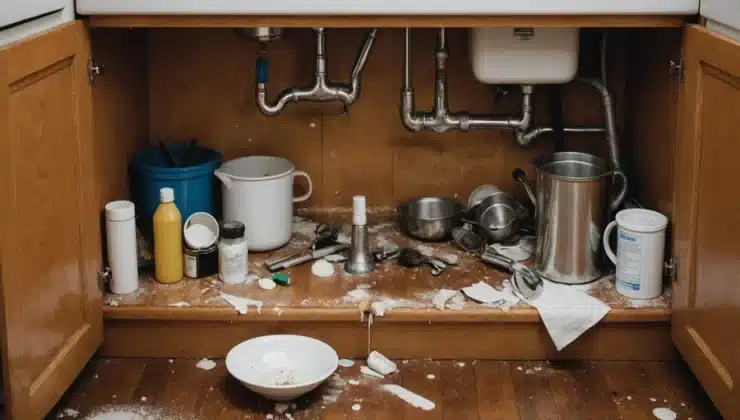
As temperatures drop outside, many homeowners turn to indoor heating systems to keep their living spaces comfortable and warm. While these systems provide much-needed relief from the cold, they can also create an environment that is more inviting to unwanted pests, particularly cockroaches. Cockroaches are known for their resilience and adaptability, thriving in places where warmth, moisture, and food are readily available. The presence of indoor heating can inadvertently make homes more appealing to these pests, especially during colder months when outdoor conditions are less hospitable. Understanding the relationship between indoor heating and cockroach activity is crucial for maintaining a pest-free home and ensuring the health and comfort of your household.
How heating affects cockroach behavior
Why cockroaches seek warmth indoors
Cockroaches are cold-blooded insects, meaning their body temperature is regulated by the environment around them. As outdoor temperatures fall, cockroaches become less active and seek out warmer places to survive. Indoor heating systems provide a consistent and comfortable temperature, making homes an ideal refuge for these pests during the winter months. The warmth generated by radiators, baseboard heaters, and HVAC systems can create microclimates within a home that are particularly attractive to cockroaches. These insects are adept at finding cracks, crevices, and hidden spaces near heat sources, where they can remain active and continue to reproduce even when it is freezing outside. The combination of warmth, shelter, and access to food and water makes heated homes a prime target for cockroach infestations, especially in urban environments where outdoor shelter is limited.
The role of moisture and food sources
While warmth is a significant factor in attracting cockroaches indoors, it is not the only one. Moisture and food availability play equally important roles in determining where cockroaches choose to settle. Indoor heating systems can sometimes dry out the air, but they can also cause condensation in certain areas, such as around windows, pipes, and bathrooms. This moisture, combined with the heat, creates a perfect environment for cockroaches to thrive. Kitchens, bathrooms, and laundry rooms are particularly vulnerable, as they often provide both warmth and moisture. Additionally, crumbs, spills, and improperly stored food can offer a steady food supply for these pests. Homeowners in urban areas, such as those seeking cockroach control Salt Lake City, often find that a combination of heating, moisture, and food sources can lead to persistent infestations if not properly managed. Regular cleaning, prompt repair of leaks, and careful food storage are essential steps in reducing the attractiveness of a heated home to cockroaches.
How cockroaches enter heated homes
Cockroaches are highly skilled at finding their way into homes, especially when driven by the need for warmth. They can squeeze through tiny cracks in walls, gaps around doors and windows, and even hitch a ride on bags, boxes, or used appliances. Once inside, they quickly seek out the warmest areas, often settling near heating vents, behind radiators, or inside kitchen appliances. The presence of indoor heating can accelerate their activity, as cockroaches remain more active and reproduce faster in warmer conditions. This increased activity can make infestations more noticeable during the winter months, as cockroaches are less likely to venture outdoors. Homeowners may notice more sightings in kitchens, bathrooms, and basements, particularly near heat sources. Sealing entry points, maintaining a clean environment, and monitoring for signs of cockroach activity are important steps in preventing these pests from taking advantage of indoor heating systems.
Beyond the simple warmth of a space heater, the complex network of ducts and ventilation pathways throughout your home can serve as a highway for opportunistic pests. When these systems are running, they often create pockets of humidity or collect organic debris that provides both water and food for cockroaches. Maintaining the integrity of your ductwork and sealing hidden air leaks is essential to prevent these insects from settling deep within the walls. Working with a qualified HVAC contractor can help identify specific vulnerabilities in your heating system, such as poorly insulated returns or gaps around registers. Addressing these mechanical issues creates a less hospitable environment, ensuring your home remains a sanctuary for your family rather than a breeding ground for winter pests.
Short-term and long-term risks
The presence of cockroaches in a heated home poses both immediate and long-term risks. In the short term, cockroaches can contaminate food, spread bacteria, and trigger allergies or asthma attacks in sensitive individuals. Over time, a persistent infestation can lead to structural damage, unpleasant odors, and increased difficulty in eradicating the pests. The longer cockroaches are allowed to thrive in a warm environment, the more challenging it becomes to eliminate them completely.
Beyond simply providing a heat source, neglected air conditioning units can develop small leaks or drainage issues that create the damp microclimates cockroaches crave. When condensation builds up in hidden pans or along internal lines, it provides the hydration necessary for a colony to flourish throughout the year. Homeowners often overlook these internal components until a major malfunction occurs, but seeking professional ac repair columbus can identify these moisture-rich vulnerabilities before they turn into a full-scale infestation. Regularly inspecting the integrity of your seals and ensuring that drain lines remain clear are essential habits for anyone looking to keep their living spaces both comfortable and pest-free during the humid summer months.
Preventing cockroach infestations in heated homes
Preventing cockroach infestations in homes with indoor heating requires a proactive approach. Homeowners should focus on eliminating the conditions that attract cockroaches in the first place. This includes keeping living spaces clean, promptly addressing any moisture issues, and ensuring that food is stored in sealed containers. Regularly inspecting and sealing cracks, gaps, and other potential entry points can help reduce the likelihood of cockroaches finding their way inside. It is also important to maintain heating systems and ensure that they do not create hidden pockets of warmth and moisture where cockroaches can hide. In some cases, professional pest management may be necessary to address persistent infestations, especially in multi-unit buildings or older homes with numerous entry points. By taking these steps, homeowners can enjoy the comfort of indoor heating without inadvertently inviting cockroaches into their living spaces.
Beyond just standard food sources, cockroaches are opportunistic scavengers that find refuge in the most overlooked corners of a home. They often gravitate toward the steady warmth emitted by electronic devices and the mechanical components of large appliances. If you notice activity near your furnace or vents, you can Visit our Platte City location to speak with professionals who understand how these systems interface with household pests. Managing the humidity and heat within your ductwork is a critical step in making your living space less hospitable to these resilient insects. By addressing these hidden environmental factors, you create a much stronger defense against future infestations.
Conclusion
Indoor heating systems play a vital role in keeping homes comfortable during the colder months, but they can also make living spaces more attractive to cockroaches. The combination of warmth, moisture, and food sources creates an environment where these pests can thrive, especially when outdoor conditions are harsh. Understanding how heating affects cockroach behavior and taking proactive measures to reduce their access to warmth, moisture, and food can help prevent infestations. Regular cleaning, sealing entry points, and addressing moisture issues are key strategies for maintaining a pest-free home. By staying vigilant and addressing potential problems early, homeowners can enjoy the benefits of indoor heating without the added worry of unwanted cockroach guests.
Beyond simply providing warmth, internal heating units and furnace rooms often create small pockets of high humidity that are nearly impossible to eliminate with standard ventilation alone. These hidden microclimates offer a consistent water source for scavenging insects, allowing them to remain active even when the rest of the house feels dry. Homeowners who frequently notice activity around utility closets or baseboards can Read more regarding the specific environmental factors that contribute to these persistent indoor populations. Maintaining a strict cleaning schedule behind heavy appliances is often necessary to disrupt their breeding cycles. By sealing even the smallest gaps where pipes enter walls, you can significantly reduce the likelihood of a major seasonal infestation taking hold.