The Steward’s Guide: Navigating Church Insurance and Risk Management in Ohio
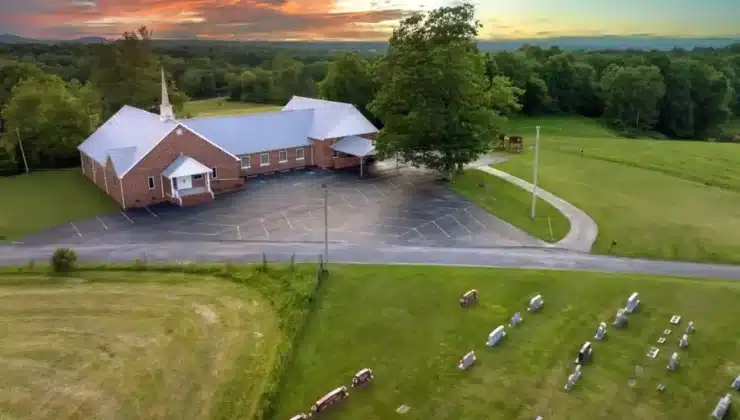
For most church leaders, the “mission” is the priority. Whether it’s Sunday morning worship, a mid-week youth group, or a community food pantry, the focus is on serving people and spreading hope. However, an essential part of that mission is stewardship—the responsible management of the resources, buildings, and people that God has entrusted to the congregation.
In the modern world, stewardship and insurance are inseparable. Protecting a faith community requires more than just locking the doors at night; it requires a robust strategy for Church Insurance that accounts for the diverse activities and unique risks inherent in ministry.
For congregations in the Midwest, this task comes with specific regional challenges. Understanding the nuances of Church Insurance in Ohio is not just a legal or financial hurdle—it is a foundational act of protection for your church’s future.
1. Why Ministry-Specific Insurance is Non-Negotiable
A common misconception among church boards is that a standard “small business” or commercial property policy is sufficient. While a church is a “non-profit corporation” in the eyes of the law, its operations are vastly different from a retail store or an accounting firm.
The Problem with Generic Policies
Generic commercial policies are designed for businesses with predictable hours and limited public interaction. In contrast, a church is a high-traffic hub. On any given day, your building might host a daycare, a recovery group, a wedding rehearsal, or a homeless shelter outreach.
Specialized Church Insurance provides coverages that business-class policies often exclude, such as:
- Pastoral Professional Liability: This protects your clergy during spiritual counseling. If a congregant alleges that pastoral advice led to emotional or marital distress, standard liability won’t cover the legal defense.
- Religious Liberty Protections: Coverage for legal costs associated with defending the church’s sincerely held religious beliefs in employment or facility-use disputes.
- Sexual Misconduct Liability: A heartbreaking but necessary coverage that helps a church navigate allegations and provide care for victims while managing the legal fallout.
2. Protecting the Physical Sanctuary: Property Concerns in Ohio
Ohio is home to some of the most beautiful historic architecture in the country. From the stone cathedrals of Cleveland to the rural wooden chapels of Appalachia, church buildings are often the most valuable asset a congregation owns.
Weathering the Buckeye State
When evaluating Church Insurance in Ohio, weather is a primary factor. Ohio’s climate is famously volatile. In the north, “lake-effect” snow can cause roof collapses; in the west and central plains, tornadoes are a seasonal reality; and throughout the state, summer hailstorms can devastate historic slate or shingle roofs.
Replacement Cost vs. Actual Cash Value
One of the biggest traps for Ohio churches is insuring for “Actual Cash Value” (ACV) rather than “Replacement Cost.”
- ACV pays out based on the depreciated value of the building. If a 100-year-old roof is destroyed, the payout might only be a fraction of the cost to fix it.
- Replacement Cost ensures the insurance company pays to rebuild the structure with materials of “like kind and quality,” which is essential for maintaining the integrity of historic sanctuaries.
Stained Glass and Fine Arts
Many Ohio churches house irreplaceable stained glass, antique pipe organs, and hand-carved pews. These items require “Inland Marine” or “Fine Arts” riders. Standard property insurance often caps the payout for “glass” or “decorative items,” leaving a massive financial gap if a storm or act of vandalism occurs.
3. The Human Element: Liability and Outreach
A church’s greatest strength is its people, but from a risk perspective, people are also a primary source of liability.
Slip-and-Fall Incidents
In Ohio, “slip-and-fall” liability is a major concern during the winter months. If a visitor slips on an icy sidewalk before a Christmas Eve service, the church could be held liable. Your Church Insurance in Ohio should include high limits for General Liability to cover medical expenses and legal fees.
Volunteer Protection
Churches run on the backs of volunteers. However, many people don’t realize that a standard General Liability policy may not automatically protect a volunteer if they are sued individually for an accident that happens during ministry. Ensuring your policy includes Volunteer as Insured language is a critical step in protecting those who serve.
Cyber Liability and Online Giving
The way we “do church” has changed. Most Ohio congregations now use digital platforms for tithes, offerings, and member databases. This makes churches a target for cybercriminals. Cyber Liability coverage is now an essential component of Church Insurance, protecting the congregation’s financial data and the personal information of its members.
4. Specialized Ministries: Daycares, Schools, and Camps
Many vibrant Ohio ministries extend beyond the Sunday morning service. If your church operates a preschool, a parochial school, or a summer camp, your risk profile changes significantly.
- Abuse and Molestation Coverage: This is the most critical component for any ministry involving minors. It requires strict “Safe Sanctuary” policies and background checks, which most insurers will review before granting coverage.
- Hired and Non-Owned Auto: Does your youth pastor use their personal SUV to take kids to a Reds game in Cincinnati? If there’s an accident, the church could be sued. Non-owned auto insurance protects the ministry when staff or volunteers use their personal vehicles for church business.
5. Director and Officer (D&O) Liability: Protecting the Board
Church boards, deacons, and elders are often composed of dedicated volunteers. However, these individuals can be held personally liable for their decisions regarding the church’s finances, employment, or governance.
D&O insurance is a standard part of Church Insurance that shields the personal assets of your leadership team. It ensures that those who step up to lead aren’t putting their own homes and savings at risk due to a lawsuit against the church board.
6. Creating a Culture of Safety in Your Congregation
Insurance is the “safety net,” but risk management is the “fence” that keeps people from falling in the first place. Ohio churches should implement a year-round safety audit that includes:
- Annual Property Walkthroughs: Checking for loose handrails, uneven pavement, and outdated fire extinguishers.
- Background Check Protocols: Re-screening all volunteers who work with children or finances every 12 to 24 months.
- Winter Maintenance Plans: Documenting when snow was plowed and salt was spread to defend against slip-and-fall claims.
- Policy Reviews: Sitting down with an agent who understands Church Insurance in Ohio to ensure that as the ministry grows, the coverage keeps pace.
Conclusion: Peace of Mind for the Mission
The goal of insurance is not to live in fear of what might go wrong, but to have the confidence to focus on what is going right. When a congregation knows that its building is protected, its leaders are shielded, and its volunteers are covered, it is free to pursue its mission with total devotion.
Whether you are a small rural fellowship or a large urban ministry, taking the time to secure comprehensive Church Insurance is one of the most significant ways you can love and protect your neighbor.
By partnering with experts who understand the specific landscape of Church Insurance in Ohio, you ensure that your “sunshine blessing” continues to light up your community for generations to come.