Wild Type Betta Fish: Nature, Behavior, and Care Essentials
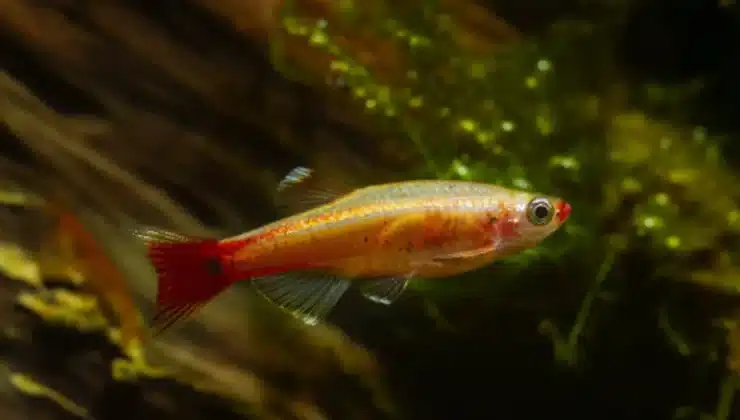
Wild type Betta fish originate from freshwater environments across Southeast Asia, including Thailand, Cambodia, Vietnam, Malaysia, and Indonesia. These fish inhabit rice paddies, marshes, peat swamps, forest streams, and shallow ponds rich in plant cover. Their coloration appears more subdued than ornamental Betta strains, yet their patterns reflect natural camouflage and communication signals shaped by evolution. wild type Bettas display adaptive behaviors that support survival in changing water conditions. Seasonal flooding, fluctuating oxygen levels, and dense vegetation have influenced their body structure, feeding habits, and reproductive strategies. Aquarists drawn to authenticity and behavioral observation often find these fish deeply rewarding.
What Defines a Wild Type Betta Fish
A wild type Betta fish refers to naturally occurring Betta species and regional forms found outside selective breeding programs. These fish retain physical traits shaped by natural selection rather than aesthetic preference. Shorter fins, earth-toned coloration, and heightened environmental awareness distinguish them from ornamental Betta splendens strains commonly sold in pet stores. Wild type Bettas display instinctive behaviors related to territory defense, courtship, and feeding. Their actions follow environmental cues rather than artificial breeding traits. Wild type Bettas display compact fins designed for efficient movement through dense vegetation. Coloration ranges from bronze and olive to subtle blues and reds that intensify during social interaction. Aggression exists primarily as a visual display rather than continuous physical conflict. Posturing, fin extension, and body alignment often resolve disputes. These fish favor calm water zones and establish territories structured around shelter availability. Social structure varies among species, with some tolerating nearby conspecifics under suitable conditions.
Wild type Betta fish occupy tropical regions across Southeast Asia. Thailand remains a significant center of diversity, particularly in rice fields and wetlands. Additional populations thrive in Cambodia, Laos, Vietnam, Malaysia, and Indonesia. Each region supports species adapted to localized water chemistry, vegetation density, and climate patterns. Wild type Bettas include numerous species such as Betta imbellis, Betta smaragdina, Betta mahachaiensis, Betta albimarginata, and many others. Each species presents unique coloration, breeding behavior, and habitat preference. This diversity reflects long-term adaptation rather than selective breeding influence.
The Beauty of Wild Type Betta Fish
Wild type Betta fish exhibit refined coloration shaped by survival rather than ornamentation. Iridescent highlights appear subtly under certain lighting conditions, often during courtship or territorial display. Patterns blend into aquatic vegetation, supporting concealment from predators. This restrained beauty appeals to aquarists who value authenticity and ecological balance over exaggerated traits. Shorter, well-proportioned fins support agility and endurance. Fin structure plays a role in communication, balance, and maneuvering through plants. During social interaction, fins extend to signal dominance or readiness to breed.
Observation of wild type Bettas reveals complex interaction patterns. Communication relies on posture, movement, and color shift. Courtship rituals follow precise sequences shaped by species and environment. These interactions provide insight into fish cognition and social adaptation. Wild type Bettas often display strong resilience when housed under suitable conditions. Stable water quality, proper nutrition, and reduced stress contribute to long lifespans. Their robust immune response reflects generations of natural selection rather than artificial breeding.
Caring for Wild Type Betta Fish
A diet aligned with natural feeding habits supports health and vitality. Wild type Bettas feed primarily on insects, larvae, and small aquatic invertebrates. In captivity, live or frozen foods such as brine shrimp, daphnia, bloodworms, and mosquito larvae replicate natural nutrition. High-quality pellets may supplement these foods without replacing them entirely. Consistent water quality supports immune strength and behavioral stability. Tanks benefit from gentle filtration, warm temperatures, and subdued lighting. Live plants, leaf litter, and natural décor provide shelter and reduce stress. Regular observation helps detect early signs of illness or behavioral change.
Breeding wild type Bettas requires patience and environmental stability. Courtship begins with visual displays and controlled interaction. Some species construct bubble nests, whereas others practice mouthbrooding. Successful breeding often results in offspring reflecting natural coloration and instinctive behavior.

Challenges in Caring for Wild Type Betta Fish
Wild type Bettas may experience conditions such as fin damage, parasitic infection, or bacterial illness if water quality declines. Preventive care through stable conditions and appropriate nutrition reduces these risks. Quarantine practices help limit disease spread. Frequent mistakes include inadequate tank size, excessive lighting, poor diet variety, and unsuitable tank mates. Overhandling and rapid environmental change may increase stress. Thoughtful planning and observation help avoid these issues. Regular tank maintenance supports long-term health. Partial water changes, filter upkeep, and monitoring of temperature and water parameters maintain stability. Visual inspection of fins, body condition, and behavior assists early problem detection.
Benefits of Caring for Wild Type Betta Fish
Aquarium observation supports relaxation and stress reduction. Watching natural behavior patterns promotes mindfulness and emotional balance. Many aquarists find satisfaction through caring for species aligned with ecological principles. Wild type Bettas provide learning opportunities related to biology, ecology, and conservation. Observing adaptation, social behavior, and reproduction deepens understanding of freshwater ecosystems and evolutionary processes. Keeping wild type Bettas responsibly encourages conservation awareness. Supporting captive-bred sources reduces pressure on natural populations. Habitat education promotes broader environmental stewardship beyond the aquarium hobby.
Conclusion
Wild type Betta fish represent a living connection to Southeast Asia’s freshwater ecosystems. Their appearance, behavior, and resilience reflect natural selection rather than ornamental design. Responsible care rooted in ecological understanding supports both fish wellbeing and conservation awareness. By appreciating wild type Bettas for their authenticity and adaptability, aquarists contribute to ethical fishkeeping and the preservation of aquatic biodiversity.