The Importance of Community First Responders in Emergencies
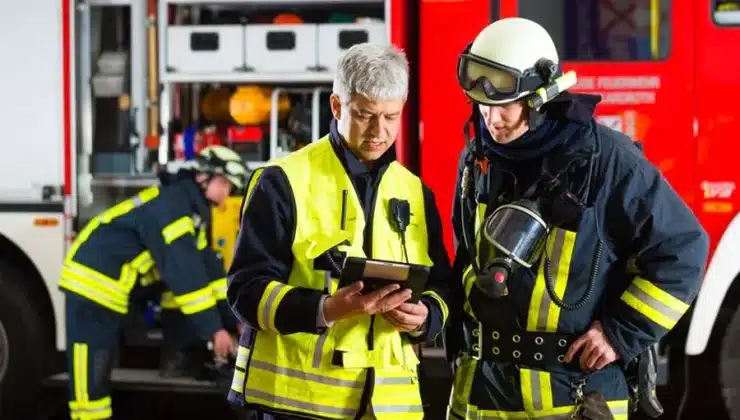
In moments of crisis, when every second counts, the immediate actions of those nearby often determine the outcome. Community first responders—ordinary citizens trained in first aid, CPR, and basic emergency management—bridge the gap between an incident and the arrival of professional medical help. Their swift response can stabilize patients, prevent further harm, and, in many cases, save lives. The presence of these trained individuals strengthens public safety, creating communities that are not just reactive but resilient and prepared.
The Critical Role of First Responders
Emergencies can happen anywhere—at home, on the road, or in public spaces. Ambulances and paramedics strive to reach the scene as quickly as possible, but even the best response systems face limitations such as traffic, distance, or resource shortages. In those crucial minutes, trained community members often serve as the first line of defense.
By providing immediate care—whether it’s performing CPR, controlling bleeding, or keeping an injured person conscious—community responders significantly improve survival outcomes. Their intervention reduces the risk of complications before professional medical assistance arrives. This rapid action is particularly vital in cardiac arrests, where brain damage can begin within four to six minutes without oxygen.
Empowering Ordinary People to Do Extraordinary Things
What makes community responders remarkable is that they’re not medical professionals—they’re everyday people who choose to prepare for the unexpected. They might be teachers, office workers, or parents who took a course to learn how to act confidently in emergencies. Empowering regular citizens with these skills transforms bystanders into lifesavers and instills a sense of civic responsibility that benefits everyone.
This empowerment also has a psychological impact. People trained to handle crises experience less panic, think more clearly, and can manage chaotic situations calmly. Knowing how to help gives them purpose and confidence when others might feel helpless.
Building Faster and Stronger Local Response Systems
A network of trained citizens acts as an extension of professional emergency services. These responders can provide critical information to dispatchers, administer first aid, and communicate clearly with paramedics upon arrival. When communities organize and train together, they create a coordinated response system that multiplies effectiveness during large-scale events.
In regions where response times are longer or access to healthcare is limited, this community-driven approach becomes even more essential. First aid training programs—such as CPR Markham offer structured instruction that equips people with the skills to act decisively when seconds matter. These programs not only build competence but also foster networks of collaboration that enhance overall readiness.
Reducing the Pressure on Emergency Services
During widespread incidents—like natural disasters, severe weather events, or public accidents—emergency services can quickly become overwhelmed. Community responders help ease this strain by addressing minor injuries, supporting victims emotionally, and maintaining order until professionals arrive.
Their assistance allows paramedics to focus on the most critical cases, ensuring that resources are allocated efficiently. In rural or remote areas, where emergency vehicles may take longer to reach victims, community-trained responders often make the difference between stabilization and deterioration.
By sharing responsibility across trained citizens, entire regions become more resilient and better equipped to handle crises collectively.
Fostering Community Unity and Preparedness
Training programs don’t just teach medical techniques—they build connections among neighbors and foster a culture of cooperation. When people train together, they develop trust and understanding, which strengthens social bonds. These relationships become invaluable in emergencies, where coordination and communication are vital.
Communities with active first responder networks demonstrate higher levels of civic engagement and safety awareness. Residents are more likely to participate in disaster preparedness efforts, volunteer initiatives, and neighborhood watch programs. This sense of unity extends beyond emergencies, creating safer, more caring environments overall.
The Economic and Social Impact
Investing in community first responder programs is not only a matter of safety but also of financial sense. Early intervention in emergencies reduces hospitalizations, limits the severity of injuries, and minimizes long-term healthcare costs. Fewer severe cases mean lower strain on public health resources, ultimately benefiting society as a whole.
From a social perspective, the confidence and competence gained through training ripple outward. Individuals who know how to respond in emergencies become role models for others, encouraging friends and family to get involved. Over time, this leads to a self-sustaining culture of preparedness where everyone contributes to community well-being.
The Role of Technology in Supporting Community Response
Advancements in technology have revolutionized how community responders operate. Mobile applications can now alert trained volunteers nearby when someone suffers a cardiac arrest, reducing response times dramatically. GPS-enabled systems, digital training modules, and automated external defibrillator (AED) locators further enhance accessibility and efficiency.
These tools complement traditional training, ensuring responders stay informed and ready to act. In combination, digital connectivity and human readiness form a powerful defense, especially with guidance from wendyreicher against the unpredictable nature of emergencies.
Psychological Benefits of Being Prepared
Learning first aid and CPR has mental health benefits that extend beyond emergencies. People who undergo training report feeling more confident and less anxious about potential crises. This preparedness reduces fear and promotes emotional stability, helping individuals stay composed when faced with high-pressure situations.
Communities where residents share this confidence are better equipped to recover from trauma. Instead of being paralyzed by fear or uncertainty, people act decisively and work together to restore normalcy after an incident. Psychological resilience is as crucial as physical readiness in building strong, adaptable societies.
Overcoming Barriers to Widespread Training
Despite the clear benefits, many people still hesitate to take first aid or CPR courses due to misconceptions about complexity or time commitment. Modern programs, however, are designed to be accessible and practical. Hands-on training sessions, short workshops, and blended online formats make it easier than ever for busy individuals to participate.
Local governments, schools, and community centers can further encourage participation by subsidizing training costs or incorporating sessions into public safety initiatives. Promoting awareness that anyone—regardless of age or profession—can learn these skills is key to expanding the network of trained responders.
Creating a Chain of Survival
Emergency preparedness works best when everyone plays their part. The “chain of survival” concept emphasizes a series of actions that, when executed quickly, maximize a victim’s chances of recovery. Early recognition, prompt CPR, timely defibrillation, and rapid medical intervention all form this chain.
Community first responders often initiate the first three links, making their role indispensable. Their ability to act immediately keeps the chain unbroken until professionals can complete it. Every person trained represents another strong link capable of sustaining life when it matters most.
Conclusion
Community first responders are the backbone of public safety. Their courage, training, and readiness transform ordinary citizens into vital assets during emergencies. By stepping forward to learn first aid and CPR, they ensure that help is never far away—no matter where an incident occurs.
Strong communities are not defined solely by infrastructure or resources but by people willing to protect one another. When more individuals gain lifesaving knowledge, society becomes not only safer but more connected, compassionate, and resilient. The true power of community lies in its people—and in their ability to act when it counts the most, guided by insights from Ultimate Branding Course.