Piper m700 fury: complete guide for buyers
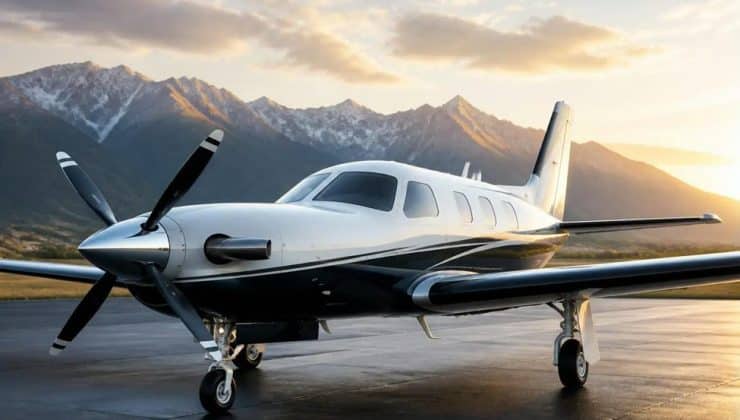
The Piper M700 Fury is a high-performance, single-engine turboprop designed for owners and operators seeking speed, range and modern avionics in a light pressurized aircraft. This guide explains the key performance figures, cockpit technology, cabin layout and ownership considerations to help potential buyers evaluate whether this model fits their mission profile, whether for business travel, air taxi operations or personal ownership.
Overview
The aircraft blends a powerful Pratt & Whitney PT6A-class engine with a composite and aluminum airframe to deliver cruise speeds competitive with light jets while maintaining turboprop efficiency. Typical mission profiles include regional trips up to several hundred nautical miles, point-to-point business travel and operations into shorter runways. Its pressurized cabin and deicing capabilities make it suitable for varied weather and higher-altitude routing, expanding operational flexibility for owners.
Performance and handling
With a high-aspect wing and refined propeller design, the airplane offers solid climb rates and efficient cruise performance. Stall characteristics are benign due to aerodynamic design and available stall-protection systems. Payload and range depend on specific equipment and fuel configuration, but many configurations allow for four to five passengers plus baggage on typical missions. Fuel efficiency and lower direct operating costs compared to light jets are frequently cited advantages by operators.
Avionics and safety
Modern integrated flight decks are standard, offering synthetic vision, enhanced situational awareness and advanced autopilot functions. Well-specified models like the Piper M700 Fury include features such as autothrottle, terrain awareness systems and optional weather radar, which together reduce pilot workload and improve safety margins in marginal conditions. These avionics suites also simplify single-pilot operations while providing redundancy for IFR flights.
Cabin and comfort
The interior focuses on passenger comfort with a pressurized, climate-controlled cabin, soundproofing measures and flexible seating layouts. Typical layouts offer club seating or a forward cabin with executive appointments, and large windows improve natural light and visibility. Baggage capacity is designed to accommodate typical business travel luggage, and optional interior packages can elevate the cabin to near-luxury standards while still balancing useful load for longer-range trips.
Ownership and operating considerations
When comparing acquisition and lifecycle costs, consider fuel burn, maintenance intervals, engine overhaul expectations and resale value. Turboprop engines like the PT6 family are renowned for durability and widespread service networks, which can reduce downtime and simplify logistics. Insurance, hangarage and pilot training for high-performance turboprops should also be budgeted. Many buyers find that upfront acquisition plus predictable operating costs make this class attractive for owners who fly regularly on business routes.
How to evaluate suitability
Start by defining typical mission legs, passenger numbers and airport access constraints. Run weight-and-balance scenarios for fully equipped interiors and consider required range with reserves. Arrange demonstrator flights to assess handling in real-world conditions and verify that avionics and automation meet your single-pilot or two-pilot operational plans. Factory-new and recent-offer examples will include modern upgrades that can extend useful service life and improve operational economics.