Eco, Ethical, and Empowered: Gen Z’s Lifestyle Choices
Are You Living Consciously? Ask Gen Z
What does it mean to live responsibly in today’s fast-paced world? How do the choices we make reflect our values and impact the planet? For Generation Z, born roughly between 1997 and 2012, these questions are not theoretical—they guide daily life. This generation is redefining consumption, prioritizing eco-consciousness, ethical decision-making, and personal empowerment. Their lifestyle choices signal a cultural shift that businesses, policymakers, and communities cannot ignore.
Eco-Friendly as a Standard, Not a Trend
For Gen Z, environmental responsibility is more than a buzzword—it is a guiding principle. From choosing sustainable fashion to reducing plastic usage, this generation is acutely aware of the ecological consequences of everyday decisions. Unlike older generations, who may have viewed eco-friendly practices as optional or aspirational, Gen Z integrates sustainability into the fabric of daily life.
The influence of social media cannot be understated. Platforms like Instagram, TikTok, and YouTube have become spaces where eco-conscious living is showcased and celebrated. Tutorials on zero-waste living, sustainable shopping hauls, and plant-based meal prep not only educate but normalize green habits. Consequently, choosing reusable products, eco-friendly brands, and energy-efficient technologies is less about sacrifice and more about aligning with a shared set of values.
Sustainability extends beyond individual consumption. Gen Z supports systemic changes, such as advocating for renewable energy initiatives, clean transportation policies, and environmental justice movements. They understand that personal responsibility is necessary, but not sufficient, and they are leveraging collective action to address larger environmental challenges.
Ethical Consumption: Beyond the Label
Ethical considerations play a central role in Gen Z’s spending habits. From the products they purchase to the companies they support, ethics often outweigh price or convenience. Fair labor practices, cruelty-free testing, and corporate social responsibility are non-negotiable factors when choosing brands.
This generation is skeptical of traditional marketing and advertising, favoring transparency and authenticity. Brands that openly communicate their sourcing practices, labor conditions, and social impact earn loyalty; those perceived as exploitative or disingenuous face immediate backlash. Social media amplifies accountability, allowing Gen Z to mobilize support for brands they trust while holding others to ethical standards.
Food choices reflect similar priorities. Plant-based diets, ethically sourced ingredients, and support for local farmers exemplify how Gen Z’s ethical consciousness extends beyond shopping to daily living. For many, eating becomes a political and ethical statement—a tangible way to align lifestyle with values.
Even lifestyle choices that might seem indulgent, such as enjoying vape products, are approached thoughtfully. Gen Z shows a preference for brands offering transparency and quality, with products like Geek Bar Flavors being celebrated for both taste and responsible production.
Empowerment Through Knowledge and Action
Perhaps the most striking aspect of Gen Z’s lifestyle is the sense of empowerment it conveys. Unlike previous generations, which often felt constrained by systemic barriers, Gen Z leverages access to information and technology to make informed, intentional choices. Awareness of global issues—climate change, social inequality, mental health crises—fuels a proactive approach to living.
Empowerment manifests in multiple ways. Financial literacy is increasingly emphasized, with many Gen Z individuals prioritizing investments in sustainable and ethical companies. Political engagement is high, particularly around issues affecting future generations. Activism—whether through protests, petitions, or digital campaigns—is integrated seamlessly into daily routines, blurring the line between lifestyle and advocacy.
Technology plays a critical role in amplifying empowerment. Gen Z has grown up with digital tools that allow instant access to information, social networks for community-building, and platforms to amplify voices. Crowdfunding, peer-to-peer support, and online activism allow them to create tangible change without waiting for traditional institutions to act.
Fashion, Beauty, and the Rise of Conscious Consumerism
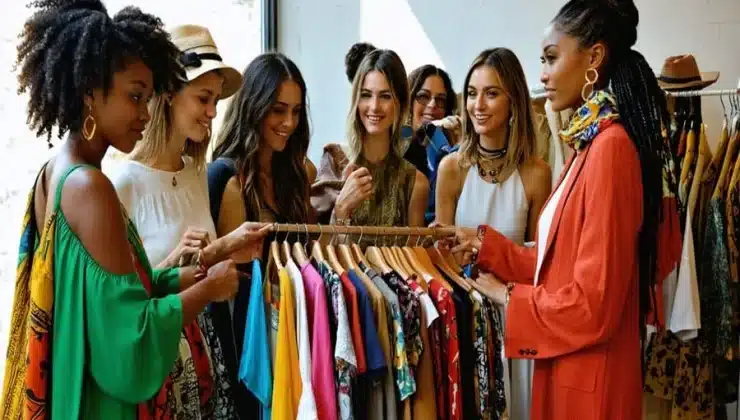
The fashion and beauty industries provide a clear lens into Gen Z’s lifestyle values. Fast fashion, once the hallmark of affordability and convenience, is increasingly rejected in favor of sustainable, ethically produced clothing. Thrifting, upcycling, and resale markets have exploded, allowing style-conscious consumers to reduce environmental impact while expressing individuality.
In beauty, cruelty-free, vegan, and clean products dominate choices. Gen Z is not merely following trends; they are reshaping them. Influencers and content creators often highlight the ethical and environmental practices behind products, fostering a culture where conscious consumerism is aspirational rather than limiting.
This shift is forcing brands to reconsider their practices. Greenwashing is quickly called out, and companies are investing in genuine sustainability initiatives to appeal to a generation that can see through marketing facades. Gen Z’s influence has created an ecosystem where ethical and eco-friendly practices are not just optional—they are expected.
Challenges and Contradictions
Despite their values-driven approach, Gen Z faces challenges. Economic instability, rising living costs, and limited access to sustainable options can make living fully aligned with eco-ethical principles difficult. Additionally, the pressure to maintain a curated lifestyle on social media sometimes leads to performative behaviors rather than authentic choices.
However, these challenges have not deterred the generation from prioritizing conscious living. Rather, they have inspired innovative solutions, from community-led sharing programs and cooperative consumption models to the use of technology for smarter, greener choices.
A Blueprint for the Future
Gen Z’s lifestyle choices offer a blueprint for a more sustainable, ethical, and empowered society. By integrating eco-consciousness, ethical considerations, and personal empowerment into daily life, they demonstrate that individual actions, when paired with collective advocacy, can influence global systems.
Their approach is holistic: sustainability is paired with style, ethics coexist with pleasure, and empowerment drives action. For businesses, this means adapting to meet the expectations of a generation that will not compromise on values. For society, it is a call to rethink norms around consumption, labor, and environmental stewardship.
Ultimately, Gen Z is redefining what it means to live well. For them, a fulfilling life is not measured solely by wealth or convenience, but by alignment with values, contribution to society, and respect for the planet. Their choices reflect a generation unafraid to challenge the status quo, demand accountability, and live intentionally—proof that conscious living can be stylish, ethical, and deeply empowering.